What recovery is actually like
Create a recovery planning checklist ↗Recovery is real and it takes weeks, not days. Anyone who tells you otherwise is describing the incision, not the experience. Here is the honest timeline for a full facelift with neck work.
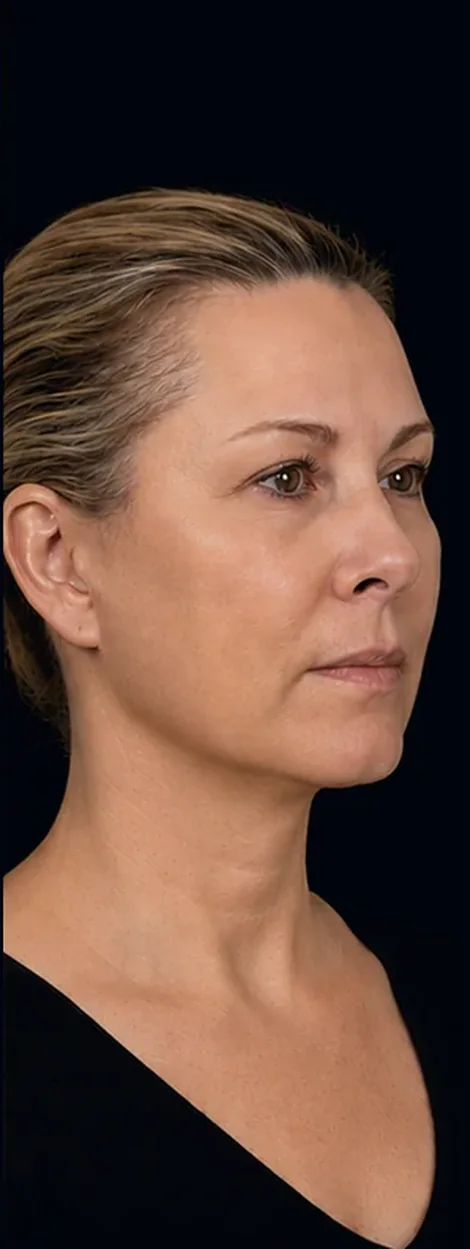

The first 48 hours
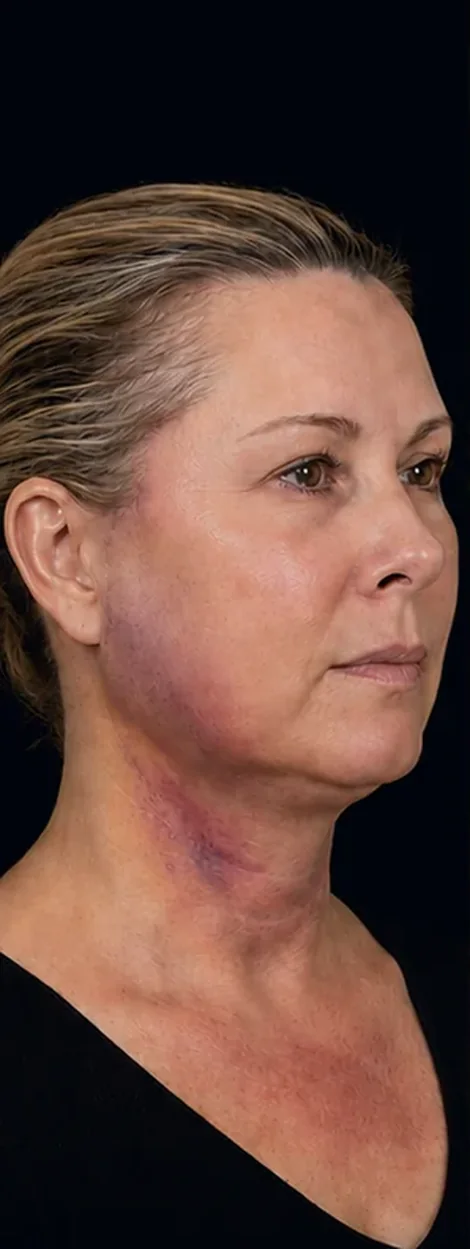
You go home the same day or after one night, with a bulky head dressing and usually one or two small drains. Your face feels tight and heavy rather than painful; most people manage on acetaminophen and a short course of something stronger for the first two nights. You sleep propped up. Bruising has not fully appeared yet. You will look worse on day two than day one, and that is expected.
Days 3 to 7
This is the low point. Swelling peaks around day three and bruising spreads down the neck and sometimes the chest, following gravity. Numbness across the cheeks and around the ears is near universal. Drains come out early in this window and the dressing is replaced with something lighter. You should be walking around the house from day one, and around the block by the end of the week, gently. No bending, lifting, or straining. Most people are not comfortable being seen by anyone outside the household.
Week 2
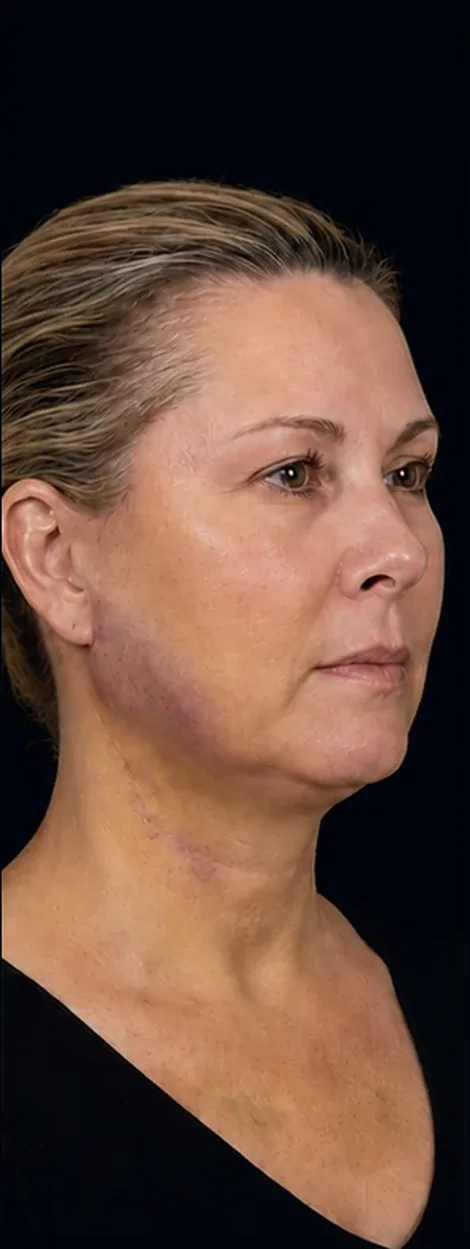
Sutures and any staples come out, usually in two stages across days seven to fourteen. Bruising turns yellow and fades. Swelling drops noticeably but remains, and the face can look slightly odd in shape, fuller in some places than others. Many people return to remote work in this week. A quiet outing with sunglasses and a scarf is usually manageable by day ten to fourteen. Sleeping elevated continues.
Weeks 3 to 6
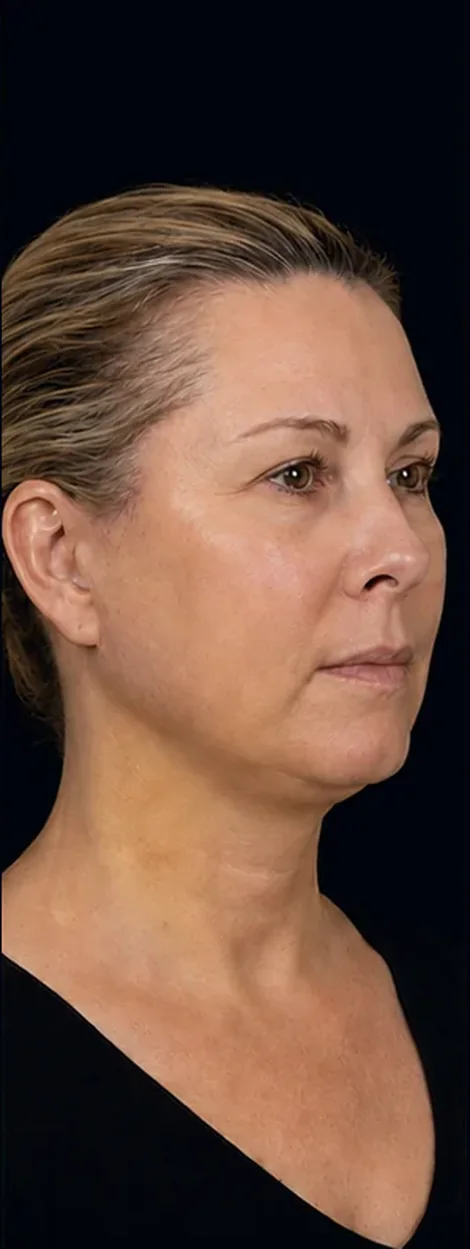
Presentable, with makeup over any residual bruising, from roughly week three. This is when most people return to an office and to social life, and when most people stop thinking about it daily. Light exercise resumes around week three or four; anything vigorous, or anything that raises blood pressure hard, waits until week six. Numbness persists and is normal. Tightness behind the ears and along the jaw comes and goes. Incisions are pink and visible at close range.
Months 2 to 6
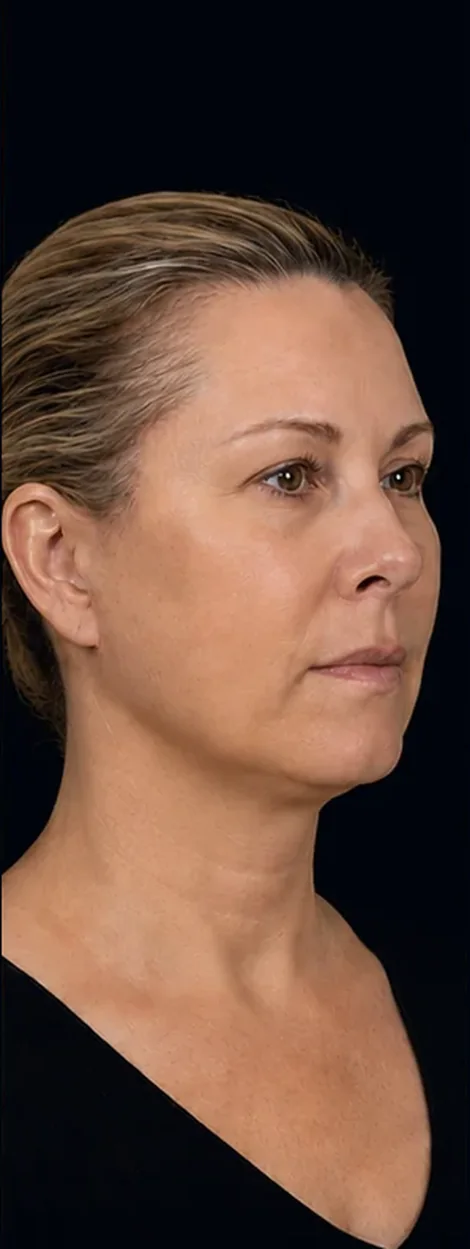
Residual swelling, mostly along the jawline and neck, leaves slowly. Sensation returns in patches, sometimes with tingling or itching along the way. Scars fade from pink toward skin color. Around month three most people feel they look like themselves. If something is going to need a small revision, a surgeon usually cannot judge it fairly before six months.
Months 6 to 12
Final settling. Scars mature, the last firmness in the neck resolves, and sensation is close to normal for most people. A small area of altered feeling near the ear can persist longer, and occasionally permanently.
What to plan for
- Two weeks in which you would rather not be seen, and a third in which you will not want to explain anything.
- Someone with you for the first two nights at minimum.
- No smoking or nicotine for at least four weeks before and four after. This is not negotiable with any careful surgeon, because nicotine starves the skin flap of blood.
- Six weeks before hard exercise, sun exposure to the incisions, or a haircut and color.
- Three months before you should judge the result, and a year before it is final.
Recovery depends on the actual operation, additional procedures and individual healing. A technique name alone does not establish a faster recovery. Follow your surgeon’s instructions for your specific procedure.
Sources and context
American Society of Plastic Surgeons: facelift recovery. Your surgeon’s instructions take precedence over general planning examples.